|
|
|
|
|
|
|
|
|
|
|
|
|
|
|
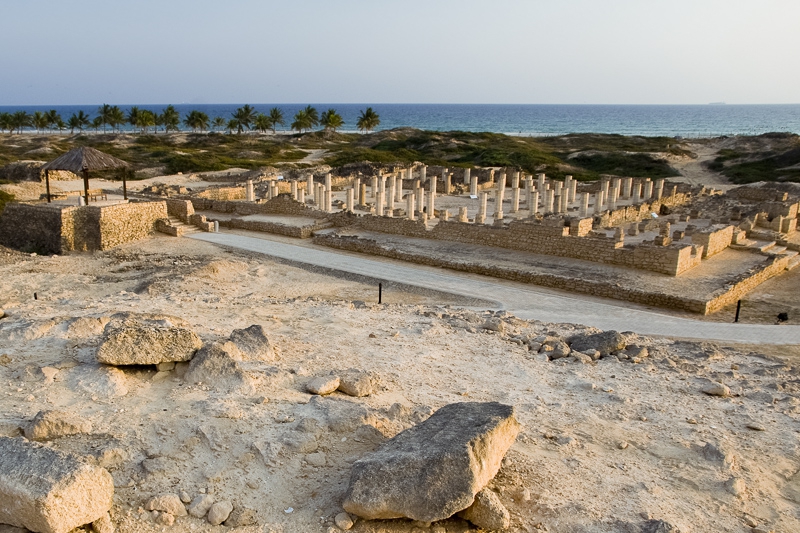
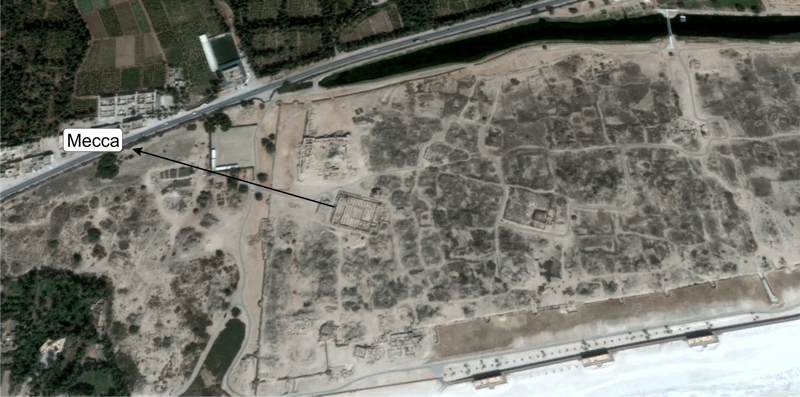
Al Balid was an Omani city on the coast of the Indian Ocean. It is known as Salalah today. Evidence from recent excavations has shown that this site was inhabited in the pre-Islamic period. Since its origins, (about 1,000 BCE) in the Bronze Age and its continued rise in the late Iron Age, it was a key center which dominated the East African, Indian and Chinese trade. Both Arab and European historical references indicate that the city was rebuilt a number of times from the 4th century AH (10 Century CE) to its final demise at approximately 618 AH (1221 CE). Al Balid or ancient Zafar was a prosperous port and trading centre. Arab travelers, including Ibn Majawir, (1232 CE) and Ibn Battuta (1329-1363 CE) visited the city and described its people and economy. Shifting economic ecological, and political conditions along the North Indian Ocean led to its slow demise by the mid 16th century CE. Al Balid’s layout is similar to other Southern Arabian ports, such as Sohar. A major lagoon or khor is situated immediately north of the city. This lagoon is created by a series of spring run-offs from the Dhofar hills, thus providing al Balid with an abundance of fresh water. Concerning its prosperity from foreign trade, smaller boats would enter the lagoon to a customs house off-loading the cargo from the oceangoing dhows anchored offshore. A formidable city wall with perhaps four gates and associated bastions as described by Ibn Majawir (1232 CE) is at least 2 km long and 4 meters high in places, protecting the western sector of the city which covered 25 hectares. The large urban area dominated by formal buildings such as mosques and houses can be seen along the western portion of the city. The large open spaces of the eastern part of the city may have been a caravansari held camels, horse stables, sardine drying fields and frankincense storage. The low lying hills of dressed stone rubble as well as numerous artifacts strewn across the surface are indicative of buried buildings. I visited this city in 2010 and examined the mosque ruins in person. |
|
|